AI shooting schedule guide best tips for organized filming
An AI shooting schedule guide helps filmmakers organize complex production requirements into a streamlined, actionable timeline. By utilizing intelligent automation, creators can transform a disorganized list of shots into a coherent workflow that minimizes downtime and maximizes resource utility.
Key takeaways: * Automated scheduling reduces manual errors in scene sequencing. * Clear shot list organization ensures every visual requirement is met. * AI-driven planning helps in managing equipment and talent constraints.
How can you use an AI shooting schedule guide to improve production?
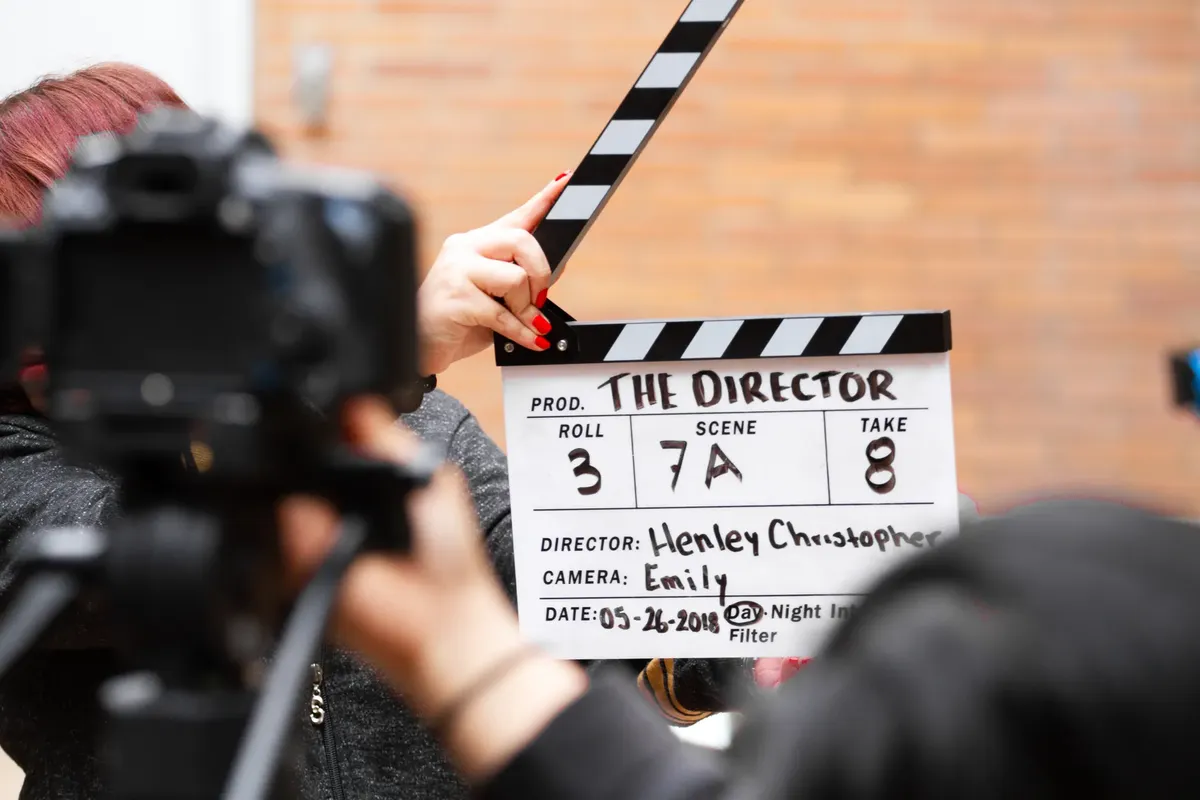
A director sits at a desk, staring at a chaotic pile of script pages and equipment lists, trying to find a logical sequence for tomorrow's shoot. This scene of manual planning often leads to wasted hours and logistical friction.
An AI shooting schedule guide offers a structured way to convert scattered notes into a functional plan.
Using these tools allows a team to optimize shooting plan details by grouping shots by location or lighting requirements. Instead of manually checking every variable, the system identifies overlaps and gaps in the timeline.
This process ensures that the production moves smoothly from one setup to the next without constant backtracking.
I remember once trying to manage a three-camera setup with only one lighting kit, and the sheer volume of manual adjustments felt overwhelming. Applying AI shot list tips can prevent such logistical bottlenecks by calculating the most efficient order of operations.
This approach moves the focus from administrative stress to creative execution.
The goal is to create filming schedule layouts that account for talent availability and gear transit times. When you use these tools to create filming schedule documents, you establish a baseline for the entire crew.
This clarity prevents the confusion that often arises when multiple departments work under tight deadlines.

By automating the logistical heavy lifting, these guides allow producers to focus on creative direction rather than manual data entry. They help minimize downtime by optimizing scene transitions and resource allocation.
What are the best shot list tricks for organized filming?
At sunset, the cinematographer swipes through the tablet while feeling the heat of the fading light during the shooting process.
A cinematographer holds a tablet, swiping through a long list of shots that must be completed before the sun sets. The pressure of daylight makes every minute count. To manage this, you should utilize best shot list tricks to categorize shots by technical difficulty and visual similarity.
Organizing by setup is the most effective way to manage a shoot. By grouping all shots that use the same lens or lighting rig, you minimize the time spent on equipment changes. This method keeps the momentum high and prevents the crew from becoming fatigued by constant transitions.
The following steps outline how to transition from a raw script to a finished schedule:
- Input all scene descriptions, character requirements, and location data into the scheduling software. 2. Categorize shots by technical needs, such as lighting setups, lens types, or specific props. 3. Sequence the shots to group similar visual elements together and minimize travel time.

After completing these steps, perform a final check to ensure no two shots require the same actor at different times or conflicting locations. This verification prevents scheduling conflicts that could derail the entire day.
Effective shot lists should be categorized by lighting setups, actor availability, and lens requirements to prevent constant equipment changes. Grouping shots by location and technical setup ensures a smoother workflow on set.
How to implement AI-driven scheduling in your workflow?
A production manager enters data into a computer, watching as a complex timeline begins to take shape. The digital interface acts as a bridge between the creative vision and the physical constraints of the set. Implementing these tools requires a systematic approach to data entry and verification.
When you aim to improve shooting efficiency with AI, you must first ensure your data is clean and comprehensive. An incomplete list of requirements will lead to an inaccurate schedule. Therefore, the initial phase of data input is the most critical part of the process.
| Feature | Manual Planning | AI-Assisted Planning |
|---|---|---|
| Time Allocation | Estimated by human intuition | Calculated based on data |
| Conflict Detection | Requires manual cross-referencing | Automated identification |
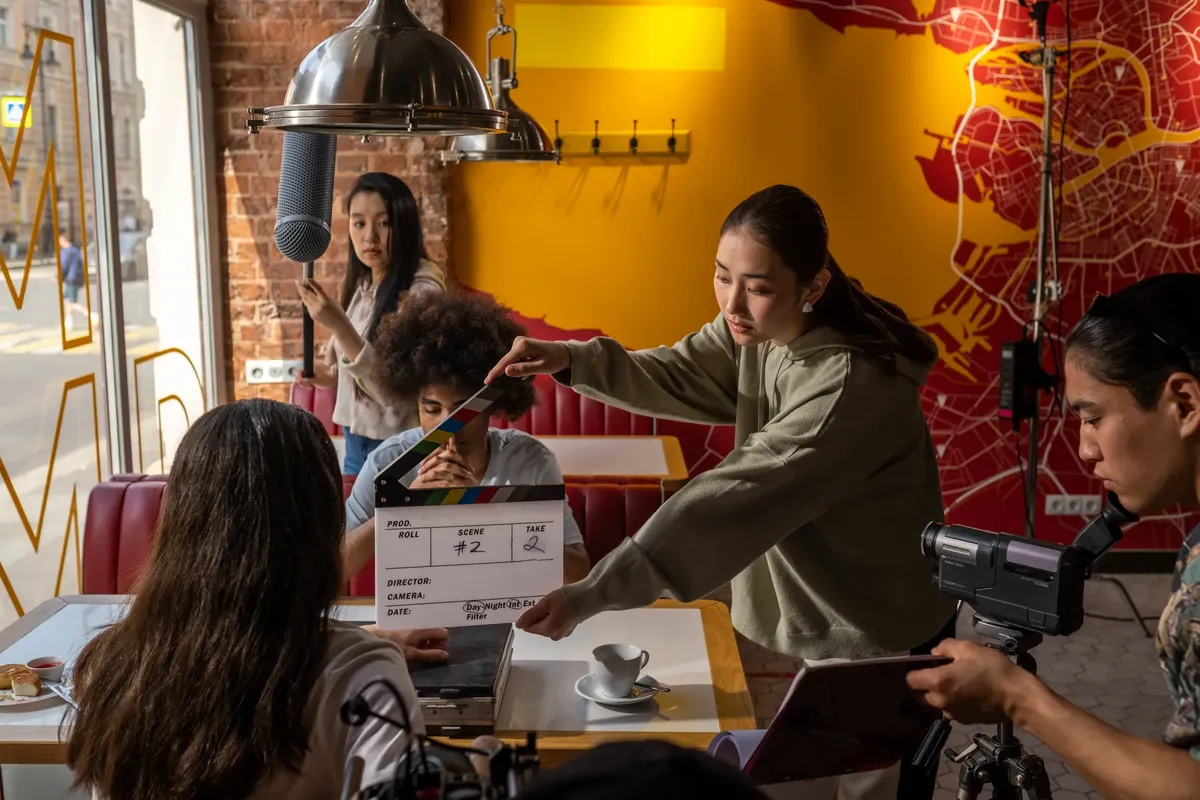
I found that once I started inputing specific lens requirements into the system, the time saved on setup became much more apparent. Using an AI shooting schedule guide effectively means treating the software as a collaborative partner rather than just a digital notepad.
One limitation of this process is that the quality of the output is strictly dependent on the accuracy of the initial data provided by the crew.
- Input all script breakdowns, including character names, locations, and prop requirements, into the software.
- Define the constraints such as actor availability, equipment availability, and preferred shooting hours.
- Review the generated draft to adjust for creative nuances and finalize the production timeline.
Related
- AI job impact strategies: Guide to career shifts
- Photographer shot list guide tips for organizing photo takes
What cautions should filmmakers observe when using AI scheduling?
Filmmakers must remember that the AI shooting schedule guide functions as a powerful assistant, not an infallible oracle. The quality of the resulting schedule hinges entirely upon the thoroughness of the input data provided by the production team.
A failure to meticulously detail every requirement will result in a flawed shooting schedule.
It is important to recognize that the system calculates efficiency based on the parameters given; it cannot intuit creative nuances or unforeseen on-set complications. Therefore, the final review of the shooting schedule must involve experienced human oversight to catch subtle logistical issues.
When comparing AI-assisted planning to manual planning, the automated conflict detection is a significant advantage, yet this automation only flags issues present in the initial data set. Human judgment remains necessary to anticipate problems not explicitly listed in the requirements.
Filmmakers must remember that AI cannot account for human variables like onset fatigue or subtle creative shifts. Always treat an AI-generated schedule as a draft that requires manual oversight to ensure it remains realistic for the crew.
How does data quality impact the final shooting schedule?
Data quality directly dictates the efficacy of the AI shooting schedule guide. If the initial data input lacks precision, the resulting schedule will reflect those deficiencies. An inaccurate list of requirements will cause the AI to generate an inefficient shooting schedule.
When comparing the two planning methods, the AI relies entirely on the data provided for its calculations. Manual planning allows for human intuition to compensate for incomplete information, a capability the automated system lacks.
Therefore, the thoroughness of the input data is paramount to a successful shooting schedule.
The accuracy of the schedule depends entirely on the precision of the initial script breakdown. Incomplete or incorrect data regarding cast availability or location constraints will lead to scheduling conflicts and costly delays during production.
What are the operational benefits of AI in the shooting schedule process?
AI-driven planning offers a structured path to streamline complex production requirements. The system's ability to identify overlaps and gaps in the timeline minimizes downtime during shooting. This automation helps manage equipment and talent constraints proactively.
Grouping shots by location or lighting requirements allows the team to optimize the shooting plan details. This systematic approach prevents the constant backtracking that plagues disorganized shooting schedules.
The focus shifts from administrative stress to creative execution when using these tools.
The clarity established by using these tools to create filming schedule documents provides a firm baseline for the entire crew. This prevents the confusion that arises when various departments operate under strict deadlines during shooting.
AI streamlines the planning phase by rapidly generating multiple scheduling scenarios. This speed allows production teams to respond quickly to changes and reduces the administrative workload on the unit production manager.








Comments 0