Photographer shot list guide tips for organizing photo takes
"The goal of a shot list is to translate a temporal reality into a series of captured frames that preserve the essence of movement."
A photographer shot list guide serves as the roadmap to ensure every essential moment is captured within the technical constraints of the equipment.
This guide helps professionals organize visual sequences, manage depth of field expectations, and plan for various frame rates to capture motion accurately.

Key takeaways include understanding how sensor size affects depth of field, managing frame rates for time-manipulation, and organizing shot breakdowns based on physical movement.
How to list photo shots for motion?
At sunset in the open field, the photographer watches the horse gallop and scribbles notes to pace the movement.
A photographer stands in a field, watching a horse gallop toward the lens. To capture the stride perfectly, you must plan the shot spacing to cover the subject's physical distance.
In early cinematography, subjects moved through space in specific increments, such as being 21 inches apart to cover the 20 feet taken by a horse's stride. Planning a shot list requires calculating these movements to ensure the sequence remains fluid when played back.
If you shoot a person diving into a pool at 96 frames per second and play it at 24 frames per second, the presentation takes four times as long as the actual event. This mathematical approach to shot lists ensures that the captured motion matches the intended narrative pace.
How does sensor size affect my shot list? Photographer shot list guide
A photographer adjusts the focus ring on a heavy 70mm camera, feeling the weight of the glass. The physical dimensions of the medium dictate the visual characteristics of every shot on the list.
The technical specifications of the medium directly impact the visual depth of the scene. According to technical records, 70mm has less depth of field than 35mm for a given field of view, while 16mm has more depth of field than 35mm.
Modern consumer-level video cameras often provide even more depth of field than 16mm. When creating a shot list, the photographer must account for these optical realities to ensure the background blur or sharpness meets the creative vision.
| Format | Depth of Field Comparison |
|---|---|
| 70mm | Less depth of field than 35mm |
| 16mm | More depth of field than 35mm |
I once adjusted my settings after realizing my sensor size would drastically alter the background separation compared to traditional film.
Can I organize photo takes using time manipulation?
A cinematographer sits in a dark studio, setting a timer to capture a single frame every few minutes. This methodical approach turns hours of waiting into seconds of cinematic gold.
Organizing photo takes involves more than just capturing a single moment; it involves managing the passage of time.
If a cinematographer sets a camera to expose one frame every minute for four hours, and that footage is projected at 24 frames per second, a four-hour event will take only 10 seconds to present. This allows a photographer to present the events of a whole day in just one minute.
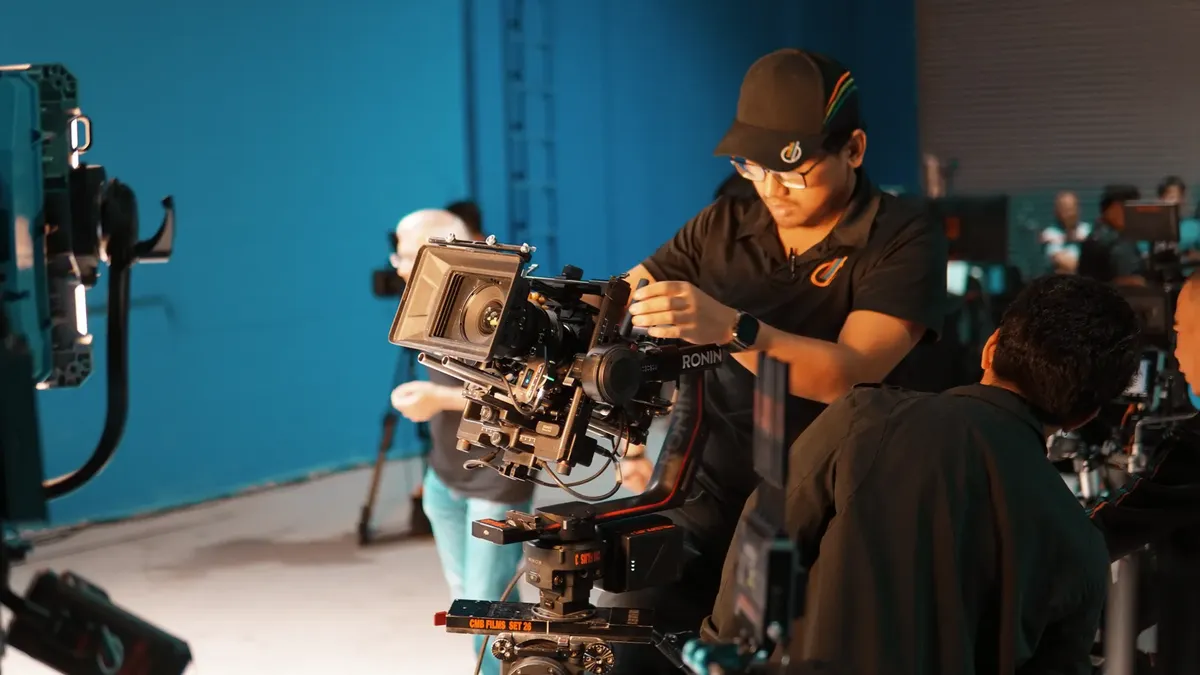
Planning these intervals on a shot list allows for the compression of time within a narrative.
Photography shot breakdown and sensor limitations
A filmmaker stares at a small digital sensor, frustrated by the lack of natural bokeh. The struggle to emulate the look of large-format film remains a central part of the planning process.
A photography shot breakdown must address the limitations of the sensor.
Early in the transition to digital cinematography, the inability of digital video cameras to easily achieve shallow depth of field due to their small image sensors was a primary issue for filmmakers trying to emulate the 35mm look.
While Digital SLR still cameras have sensor sizes similar to the 35mm film frame and can produce similar depth of field, smaller sensors require different planning. A well-structured shot list accounts for these sensor-driven constraints to maintain visual consistency.
Detailed shot list planning for technical consistency
A technician examines a 35mm strip of celluloid, checking the emulsion for clarity. The physical medium used dictates the technical requirements of the entire shoot.
To execute a successful shoot, follow these steps for technical planning:
- Determine the medium and sensor size to understand the resulting depth of field. 2. Calculate the necessary frame rates to achieve desired time-lapse or slow-motion effects. 3. Verify that the planned movement of the subject fits within the capture intervals.

A final check involves comparing the planned shots against the equipment's ability to replicate the desired aesthetic, especially when moving between digital and film-like looks.
- How to list photo shots for motion?
- How does sensor size affect my shot list?
- Can I organize photo takes using time manipulation?
The subject here is Photographer shot list guide.
The same subject is also called Shot list creation guide.
This part also covers Sequencing photo shoots.
This part also covers Camera setup for shots.
Related
- Woodworker cutting list guide: How to list wood lengths best
- Flour 100% Baking formula weight water ratio tips
What precautions should a photographer take when planning shot sequences?
When planning a shot sequence, a photographer must verify that the subject's movement aligns with the capture intervals. This verification prevents gaps or overlaps in the visual narrative when the shot list is executed. A caution exists regarding the transition between digital and film aesthetics, demanding careful comparison of planned shots against equipment capability.
The goal of the shot list requires anticipating how the medium's physical properties will influence the final look. For instance, knowing that 70mm yields less depth of field than 35mm informs the framing decisions made during the planning stage.
This knowledge helps the photographer manage expectations regarding background separation.
Managing frame rates for time-manipulation necessitates a clear understanding of the playback ratio. If the capture rate significantly exceeds the playback rate, the resulting presentation duration will be substantially longer than the actual event duration, as shown in the diving example.







Comments 0