AI shooting schedule guide: How to boost work efficiency
An AI shooting schedule guide can streamline the production process by automating the organization of scene sequences and resource allocation. This guide provides methods to utilize an AI filming plan tool to optimize your production timeline and manage logistical complexities.
* Use an AI filming plan tool to automate sequence organization. * Implement an AI based shot list to balance technical requirements with talent availability. * Master a smart shooting schedule to minimize downtime on set.
How to use AI for efficient production planning?

At dawn in the dim studio, the producer taps the screen to finalize the shooting schedule while the cold air bites at their skin.
A production assistant sits at a cluttered desk, staring at a messy stack of script pages and a blank digital calendar. The sudden shift to using an AI shooting schedule guide changes how they approach the daunting task of organizing a multi-day shoot.
An AI filming plan tool functions by analyzing script data, such as locations, cast requirements, and lighting needs, to suggest an optimized timeline. Instead of manually checking every variable, the software identifies overlapping requirements to prevent scheduling conflicts.
This automation allows planners to focus on creative nuances rather than repetitive administrative tasks.
The process of building a schedule requires careful data entry to ensure the algorithm produces a logical output. By feeding the system clear parameters, you can boost work efficiency AI workflows through smarter decision-making.
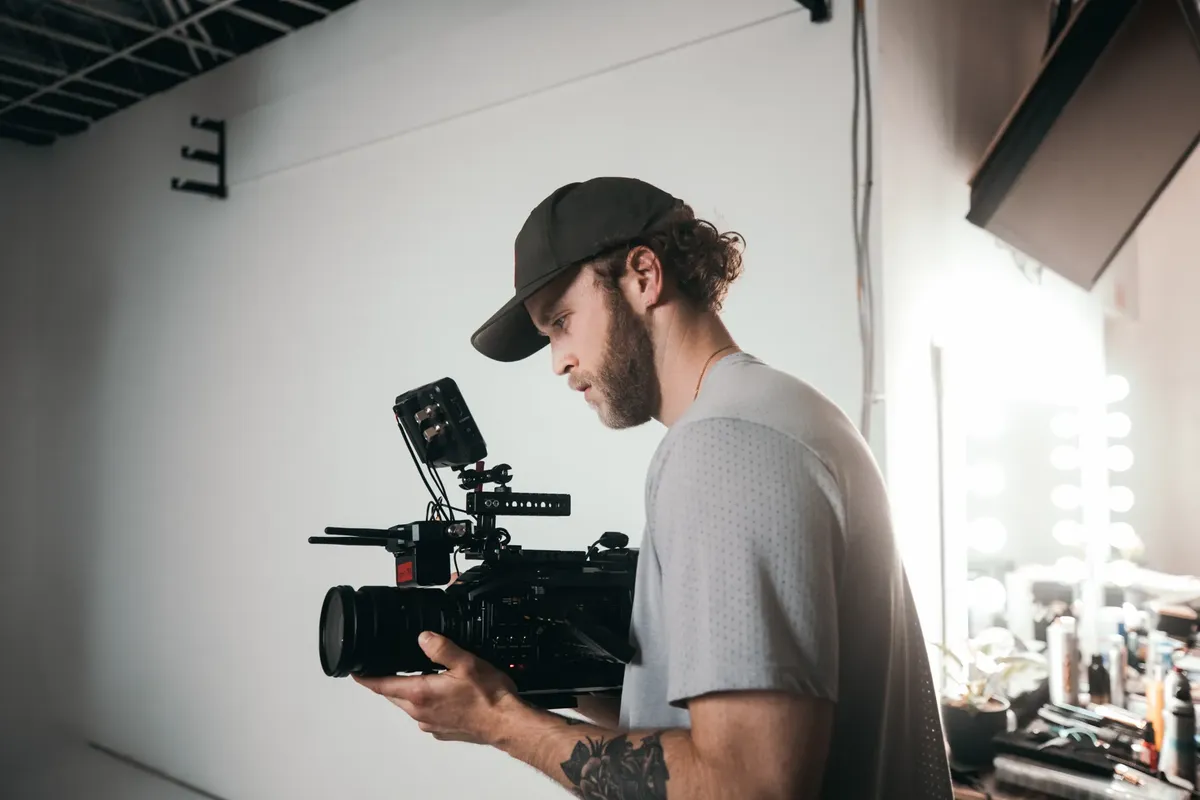
- Input all raw production data into the AI engine.
- Generate multiple scheduling scenarios based on resource availability.
- Select the most optimized timeline for execution.
How can I implement an AI based shot list?
Standing in the quiet warehouse at noon, the director swipes through the tablet to review the shooting list as the heavy scent of dust fills the air.
A director walks through a quiet studio, reviewing a list of shots that must be completed before sunset. They tap on a tablet to refine the AI based shot list, ensuring every angle is accounted for within the available daylight.
To integrate this into your workflow, follow these three steps:
- Input all script scenes, including specific character presence and location data, into the planning software. 2. Set constraints such as actor availability, equipment availability, and specific time-of-day requirements. 3. Review the generated output to adjust for human elements that the software might overlook, such as travel time or crew breaks.
I once spent an entire afternoon trying to manually align three different cast schedules, but applying these digital logic steps saved me hours of troubleshooting. A final check against the physical reality of the location is always necessary to ensure the digital plan works in the real world.

In this sequence, the second step is the most extensive.
How to boost work efficiency AI workflows?
The crew gathers around a monitor in a brightly lit production office, looking at a streamlined timeline. They use the smart shooting schedule to move quickly between setups, reducing the time spent waiting for equipment transitions.
An AI shooting schedule guide helps move the project from paper to reality by providing a structured framework. By using an AI filming plan tool, production managers can quickly simulate different shooting orders to see which one minimizes setup changes.
This proactive approach prevents the costly errors that occur when a schedule is built on guesswork.
The primary goal is to create a reliable roadmap for the entire crew. A well-structured plan ensures that every person knows their role and the specific timing of their tasks.
What are the limitations of an AI shooting schedule guide?
A cinematographer adjusts the tripod, looking at the horizon where the sun is beginning to set. They realize that while the digital plan is efficient, it cannot account for sudden weather changes or unpredictable human emotions on set.
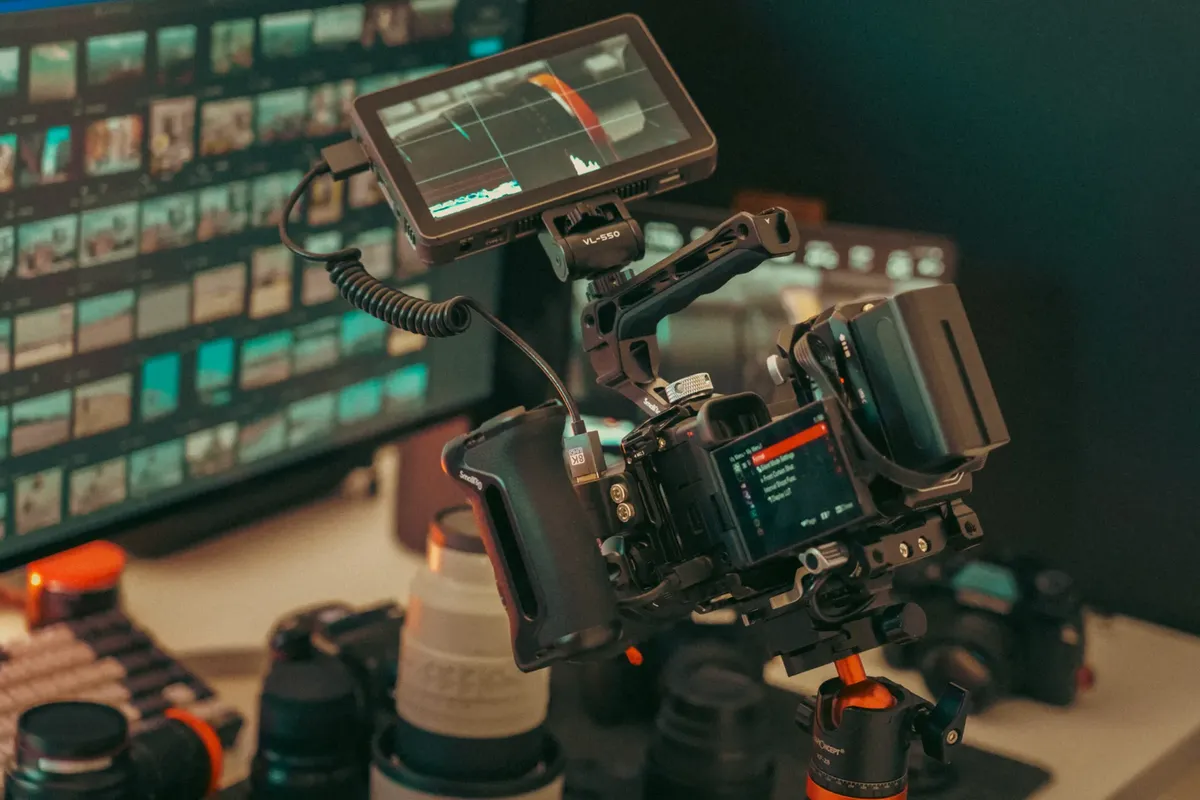
While technology provides a strong foundation, it cannot replace human intuition and real-time problem-solving. The digital output is only as good as the data provided, meaning errors in the initial script input will lead to flawed schedules.
| Feature | Manual Planning | AI-Integrated Planning |
|---|---|---|
| Speed of Adjustment | Slow and manual | Rapid and automated |
| Error Detection | Dependent on human oversight | Based on data constraints |
Related
- AI shooting schedule guide best tips for organized filming
- AI job impact strategies: Guide to career shifts
When should the shooting schedule be reviewed?
The smart shooting schedule requires periodic review throughout the production process. Reviewing the schedule allows the crew to confirm that the plan still aligns with the current on-set conditions. This check is vital because unforeseen circumstances can alter the original logistical framework.
- Initial review occurs after the AI filming plan tool generates its first draft. 2. Subsequent reviews happen before each major shooting day to incorporate recent changes. 3. Continuous monitoring ensures the shooting schedule remains a viable roadmap.
What factors influence schedule optimization?
The optimization of the shooting schedule depends on several key data inputs. The AI filming plan tool analyzes script data, which includes location details and cast needs.
Furthermore, setting constraints regarding equipment availability and specific time-of-day requirements directly impacts the schedule's efficiency.
Proper data entry is necessary to boost work efficiency AI workflows. By feeding the system clear parameters, the software can identify overlapping requirements, thereby preventing scheduling conflicts before they happen on set. This proactive management prevents costly errors.
The comparison between manual planning and AI-integrated planning highlights the benefit of rapid and automated adjustments. While manual planning is slow and dependent on human oversight, the AI approach relies on data constraints for error detection.
When is the shooting schedule most vulnerable to change?
The shooting schedule is most vulnerable to change when external factors disrupt the established flow of production. Unpredictable human emotions on set can alter the planned sequence, even if the digital plan is efficient. Sudden weather changes present another condition that the AI cannot anticipate, forcing a review of the shooting schedule.
This vulnerability underscores the need for continuous monitoring of the shooting schedule. The system provides a strong foundation, but real-time problem-solving remains a human necessity. A thorough review before each major shooting day helps mitigate these risks.
How does data quality affect the shooting schedule?
The quality of the input data directly determines the reliability of the shooting schedule. Errors in the initial script input will lead to flawed schedules, regardless of the tool's sophistication. Feeding the system clear parameters is essential to boost work efficiency AI workflows.
When planners input all script scenes, including location data, the resulting shooting schedule reflects that accuracy. The AI filming plan tool analyzes this script data to suggest an optimized timeline, making data integrity paramount.
This reliance on input data means that the comparison between manual planning and AI-integrated planning shows that the AI's strength is contingent upon the initial data provided for the shooting schedule.








Comments 0