AI cutting list guide: Guide to cutting with 0.0125 inches
"Precision in cutting begins long before the laser touches the material, rooted in the mathematical accuracy of the initial plan."
An AI cutting list guide serves as the foundational blueprint for modern fabrication, ensuring that material usage is maximized while manual errors are minimized.
This guide provides strategies for generating accurate cutting sheets, reducing cutting errors, and implementing smart cutting list use to streamline production. Readers will learn how to manage beam quality, understand material recovery, and follow structured steps to optimize cutting sheets.
Why use an AI cutting list guide for precision?

A technician stands before a loading dock, reviewing a digital layout on a tablet before the first cut is made. Using an AI cutting list guide allows operators to translate complex material dimensions into actionable, error-free instructions.
Modern software handles the heavy lifting of geometry, but the user must understand the physical constraints of the equipment.
High-quality cutting plans take into account the specific characteristics of the tools, such as the narrowest part of a focused beam, which is generally less than 0.0125 inches (0.32 mm) in diameter.
By focusing on these tight tolerances, an AI cutting list guide helps prevent the wasted material that often occurs when manual calculations fail to account for kerf or beam width.
How can you reduce cutting errors through beam management?
A laser operator adjusts the lens settings, ensuring the light path is perfectly aligned with the workpiece. To effectively reduce cutting errors, one must understand how the beam interacts with the material during the process.
The quality of the beam has a direct impact on the focused spot size. In high-precision environments, the laser beam is generally focused on the work zone using a lens capable of high optical transmission, specifically greater than 90% within the laser source frequency.
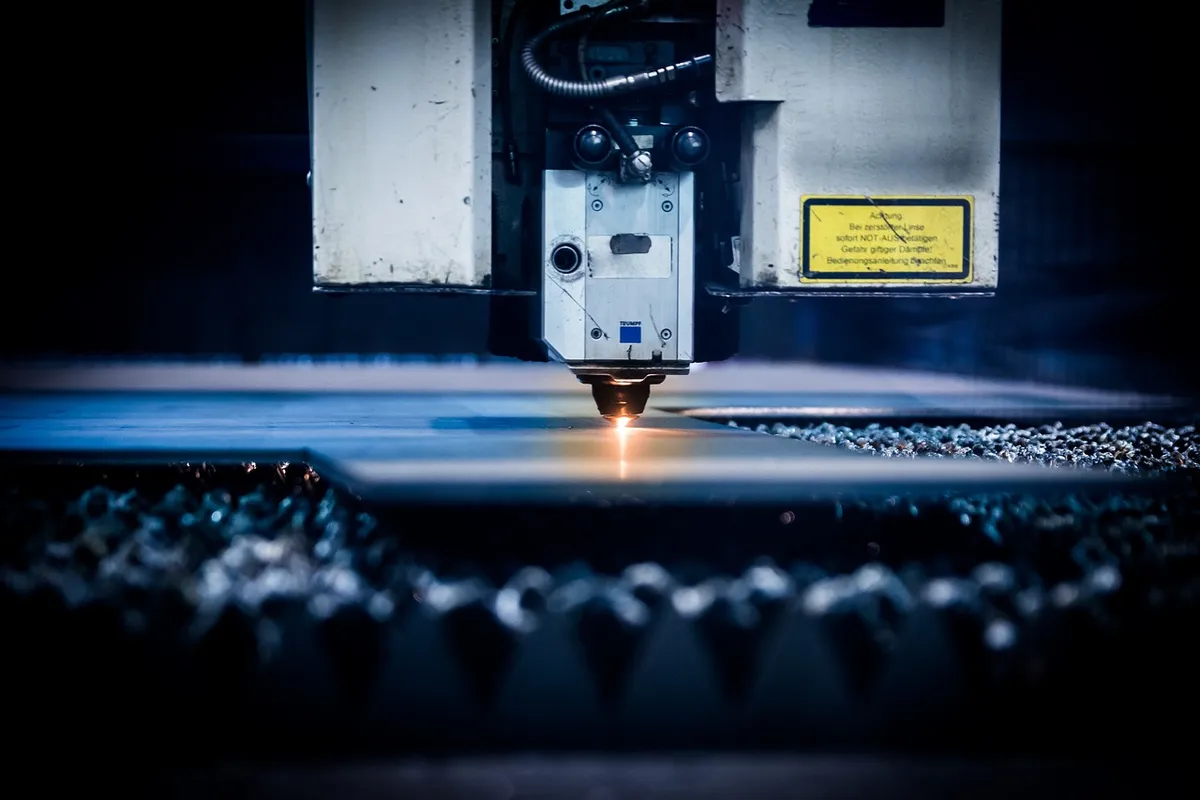
This lens must also withstand the significant amount of power passing through it to maintain consistency. When the beam quality is stable, the risk of deviation decreases, making the smart cutting list use much more effective for repeatable production.
What are the best practices for smart cutting list use?
A worker compares a physical metal sheet to the digital layout, looking for any discrepancies in the programmed paths. Implementing smart cutting list use requires a deep understanding of the relationship between the digital plan and the physical machine settings.
To ensure accuracy, users should integrate the following technical considerations into their digital workflows:
- Verify the power capacity of the source, such as laser diodes that have been developed with enough power (up to 5kW) to replace lower power CO2 lasers. 2. Account for the specific machine geometry, such as different bed designs used in various lathes or specialized cutting beds. 3. Check the beam quality, ensuring it meets the required beam quality standards (less than 20mm.rad) to maintain the intended focus.

I once observed a technician recalibrating a machine because the digital plan did not account for the specific beam quality of the hardware.
How do you optimize cutting sheets for material recovery?
A recycling facility manager reviews a report on material loss from a recent shredding cycle. To optimize cutting sheets, professionals must consider the lifecycle of the material and the residue left behind after the cutting process.
In industrial processes like vehicle recycling, the residue that is not recovered for metal contains various other materials. For instance, 30% of shredder residue may be polymers, while 5-10% consists of residual metals.
An effective plan must account for these loss factors to ensure that the primary material is used as efficiently as possible. By planning for these specific percentages, the workflow becomes more sustainable and cost-effective.
Can recycling-focused planning lead to better results?
A specialist examines a pile of reclaimed metal, noting the energy savings from the previous batch. Integrating sustainability into the workflow can be as simple as recognizing the massive energy advantages of using recycled materials.
Recycling metal uses about 74 percent less energy than making new metal. When an operator uses an AI cutting list guide to maximize yield, they are directly contributing to energy efficiency.

This practice ensures that the maximum amount of material is utilized before it ever reaches a landfill, where currently 25% of materials end up.
| Feature | Impact on Precision |
|---|---|
| Beam Spot Size | Less than 0.0125 inches (0.32 mm) |
| Optical Transmission | Greater than 90% |
- Why use an AI cutting list guide for precision?
- How can you reduce cutting errors through beam management?
- What are the best practices for smart cutting list use?
The same subject is also called AI cutting plan tips.
This part also covers Best practices for cutting sheets.
This part also covers Minimizing waste with AI.
Related
- AI task scheduling benefits guide for project timelines
- AI cutting list guide: Best tips for material thickness
What cautions should a user observe regarding cutting precision?
Users must recognize that the effectiveness of an AI cutting list guide is ultimately limited by the physical constraints of the hardware. Operators need to confirm the beam quality meets the required standards to maintain the intended focus during cutting.
Furthermore, the technician must always account for the specific machine geometry when interpreting the digital plan.
This understanding prevents discrepancies between the digital layout and the physical machine settings. For instance, a technician might recalibrate a machine if the digital plan fails to account for the hardware's specific beam quality.
This vigilance ensures high levels of cutting precision throughout the entire operation.
How does beam quality relate to material recovery?
Stable beam quality directly contributes to predictable cutting patterns, which aids in material recovery planning. When the beam quality is stable, the risk of deviation decreases, allowing for more accurate material usage.
This precision minimizes waste, which is crucial when planning for the recovery of materials from shredder residue.
Achieving high optical transmission in the lens supports this goal by ensuring consistent energy delivery to the workpiece. Consistent energy delivery translates into a more predictable kerf, enabling the recycling facility manager to better estimate material loss factors.
The narrowest part of a focused beam, when maintained, allows for tighter nesting of parts on the sheet, thereby maximizing the amount of primary material utilized before it becomes residue.







Comments 0