AI labor market shift: Why new technologies create demand
"The process of changing from one state or condition to another in a given period of time."
The shifting landscape of the global workforce is increasingly shaped by technological and systemic transformations. This article examines how industrial shifts create both risks for traditional roles and opportunities for new career paths.
We will explore the necessity of infrastructure investment, the reallocation of subsidies for worker retraining, and the massive scale of required grid expansion.
How does a transition change the job market?
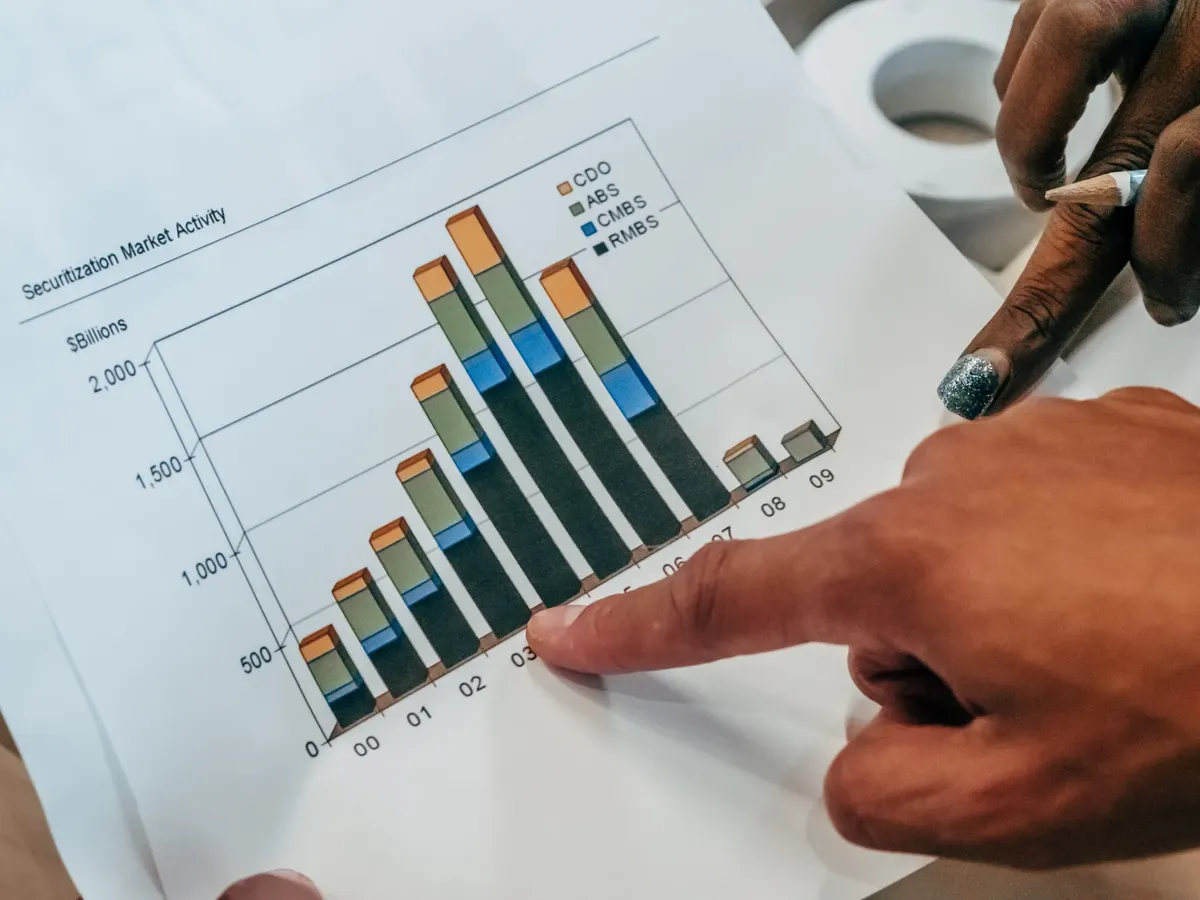
In the dim light of the office, a weary clerk watches the screen flicker as automated systems replace her manual labor.
An office worker stares at a screen, watching automated processes replace manual data entry. This represents the fundamental nature of change in any industrial era.
According to the IPCC, transition is defined as the process of changing from one state or condition to another in a given period of time.
This definition implies that the labor market is not merely undergoing a temporary flicker but a structural realignment. As industries move from one state to another, the skills required to participate in the economy undergo a permanent shift.
This process affects how workers find stability and how new industries emerge to fill the vacuum left by declining sectors.
However, these shifts may not apply to sectors where physical presence is strictly mandatory.
What are the risks of job stability in an AI age?
A technician looks at a decommissioned fossil fuel plant, wondering where their specialized skills will fit in a greener world. The risk to job stability often stems from the sudden obsolescence of specific technical knowledge.
When an industry undergoes a rapid shift, workers in legacy sectors face the immediate threat of displacement.
One way to mitigate this risk is through the strategic reallocation of existing financial resources.
It would only demand 2–6% of federal, provincial, and territorial oil and gas subsidies for a single year to be reallocated to provide oil and gas workers with a new career of approximately equivalent pay.

This targeted approach ensures that the transition does not leave specialized laborers without a way to maintain their standard of living.
The impact of these risks is often more pronounced in roles centered on repetitive tasks.
How can we manage skill change AI impact?
A student studies renewable energy systems, preparing for a world where traditional energy roles are shrinking. Managing the impact of skill changes requires looking at the massive scale of new infrastructure requirements.
The sheer volume of physical and digital work needed to support new systems provides a foundation for new employment.
The scale of the task is evident in the projected growth of global infrastructure. By 2040, the grid must expand by more than 80 million kilometers to manage renewable sources. This expansion represents a massive requirement for labor, engineering, and project management.
These technical needs create a natural avenue for workers to transition into roles that support a modernized, distributed energy network.
- Identify current skill gaps.
- Implement targeted training programs.
- Integrate new tools into daily workflows.
What are the opportunities in the future of work AI?
An engineer inspects a massive wind turbine, seeing a field of work that did not exist decades ago. The future of work is being shaped by the falling costs of new technologies. As certain technologies become cheaper, they create higher demand for the labor required to install and maintain them.
The following table illustrates the sharp decline in unit costs for key energy technologies, which drives the demand for new technical workforces:
| Technology | Unit Cost Reduction |
|---|---|
| Solar Energy | 85% |
| Wind Energy | 55% |
| Lithium-ion Batteries | 85% |

I observed how these cost drops change the economic feasibility of large-scale projects. These figures suggest that the transition is not just a policy goal but an economic reality driven by efficiency.
I find that the third point highlights the most significant potential for growth.
How do we address AI job transition risks for the workforce?
A former factory worker attends a training seminar, learning to interface with automated systems. Addressing risks requires a combination of policy frameworks and practical retraining programs.
Without a structured way to move people from old roles to new ones, the transition can lead to significant social friction.
To navigate this shift, consider these three steps: 1. Identify transferable skills that apply to emerging infrastructure projects. 2. Utilize redirected subsidies to fund specialized retraining programs. 3. Monitor industrial trends to anticipate which roles are most at risk of displacement.
Always check if the new training aligns with the projected growth of the specific sector to ensure long-term viability.
These strategies may have limited effectiveness if they do not account for individual learning speeds.
What is the scale of the required AI labor market shift?
A planner maps out a massive grid expansion across a vast landscape. The magnitude of the required change defines the scope of the new labor market. To keep global warming below 2 °C, a system-wide transformation of the way energy is produced, distributed, stored, and consumed will be necessary.

This transformation requires an unprecedented level of human capital and investment. The IEA emphasizes the necessity of increasing grid investments to over $600 billion annually by 2030, up from $300 billion, to accommodate the integration of renewable energy.
This massive capital injection will necessitate a global workforce capable of executing large-scale, complex technical projects.
The magnitude of this shift is not uniform across all industries.
The subject here is AI labor market shift.
The same subject is also called Job stability AI age.
This part also covers AI impact on job security.
This part also covers Upskilling for AI era.
This part also covers Career path in AI world.
AI impact on job security
Related
- AI task scheduling guide: Organize complex workflows best
- AI order form guide: How to streamline business workflows
What conditions necessitate infrastructure investment during a process of changing?
Infrastructure investment becomes necessary because the grid must expand by more than 80 million kilometers by 2040 to manage renewable sources. This massive requirement for labor, engineering, and project management is directly tied to the scale of the required grid expansion. The process of changing energy distribution demands physical upgrades to support new energy flows.
How does the comparison of technology costs affect the process of changing?
The sharp decline in unit costs for key energy technologies illustrates an economic reality driving the transition. For instance, solar energy has seen an 85% unit cost reduction, which changes the economic feasibility of large-scale projects. This comparison of cost reductions across technologies shows how efficiency fuels the process of changing the energy landscape.








Comments 0