Flour 100% Baking formula weight water ratio tips
"The amount of flour is the foundation, always denoted as 100% in a professional formula."
A professional baking formula weight calculation requires setting the flour as the baseline of 100% to ensure consistency. By expressing all other ingredients as a percentage of the flour weight, bakers can scale recipes easily and maintain precise hydration levels.
This guide covers how to establish a baseline, manage water absorption based on flour type, and adjust mixing times for different protein contents.
How do you establish a baseline for a baking formula weight?
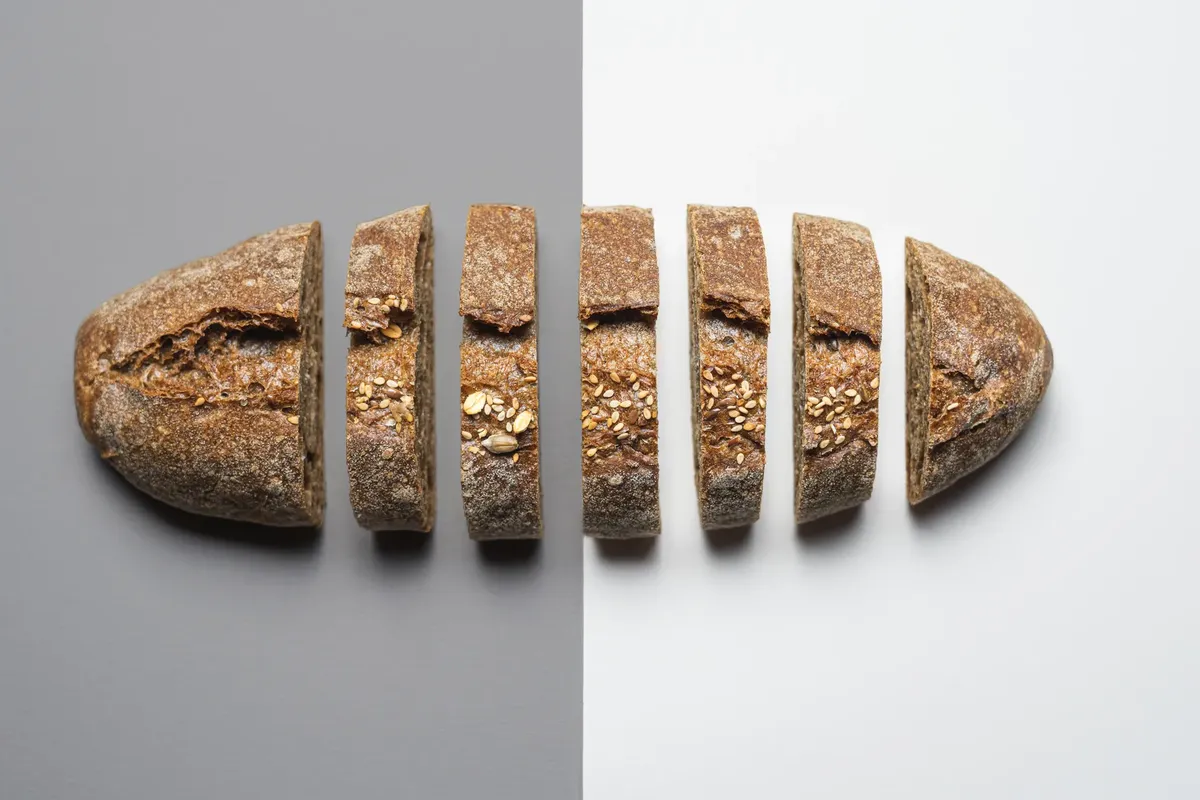
At dawn in the quiet kitchen, I tilt the heavy bag to pour the flour into a scale, feeling the fine powder coat my skin.
A baker stands at a stainless steel table, carefully weighing a large bag of flour to set the scale. In professional settings, the amount of flour is denoted to be 100%, and the other ingredients are expressed as a percentage of that amount by weight.
This method allows for easy scaling regardless of the batch size.
Using this percentage-based system ensures that every ingredient remains proportional to the flour. If you double the flour, you simply double the other percentages to keep the dough consistent. This mathematical foundation is the first step in mastering any dough formula weight guide.
| Ingredient Type | Percentage Basis |
|---|---|
| Total Flour | 100% |
| Other Ingredients | % of flour weight |
I once attempted to scale a recipe by volume instead of weight, which ruined the hydration balance entirely.
- Calculate the total weight of all ingredients in grams.
- Determine the percentage of each ingredient relative to the flour weight.
- Use these percentages to scale the recipe up or down while maintaining consistency.
How does flour type affect the water ratio? Baking formula weight water ratio
A baker pours water into a mixing bowl, watching how the dry flour absorbs the liquid. Hard wheat flours absorb about 62% water, while softer wheat flours absorb about 56%. Understanding these absorption rates is vital for maintaining a consistent dough formula weight.

Because different grains have different thirsty qualities, a fixed water percentage might produce different textures with different flours. For example, a recipe designed for hard wheat will need adjustment if switched to a softer variety.
This knowledge helps in perfecting a flour water ratio baking process.
In this sequence, the first step is the most critical.
What are the standard water levels in artisan bread?
An artisan baker shapes a wet, sticky dough on a wooden countertop, feeling the tension of the surface. Most artisan bread formulas contain anywhere from 60 to 75% water. This range allows for various textures, from tight sandwich loaves to airy, open-crumbed breads.
The specific water content depends heavily on the protein level of the flour being used. A higher water percentage generally results in a more open crumb structure, which is a hallmark of many specialty breads. Mastering these levels is essential for any baking mix proportion chart.
How does protein content influence the dough?
A baker inspects the fine white powder of specialty flour, noting its strength. While bread can be made from all-purpose wheat flour, a specialty bread flour, containing more protein (12–14%), is recommended for high-quality bread.
Higher protein levels provide the structure needed for significant rise.
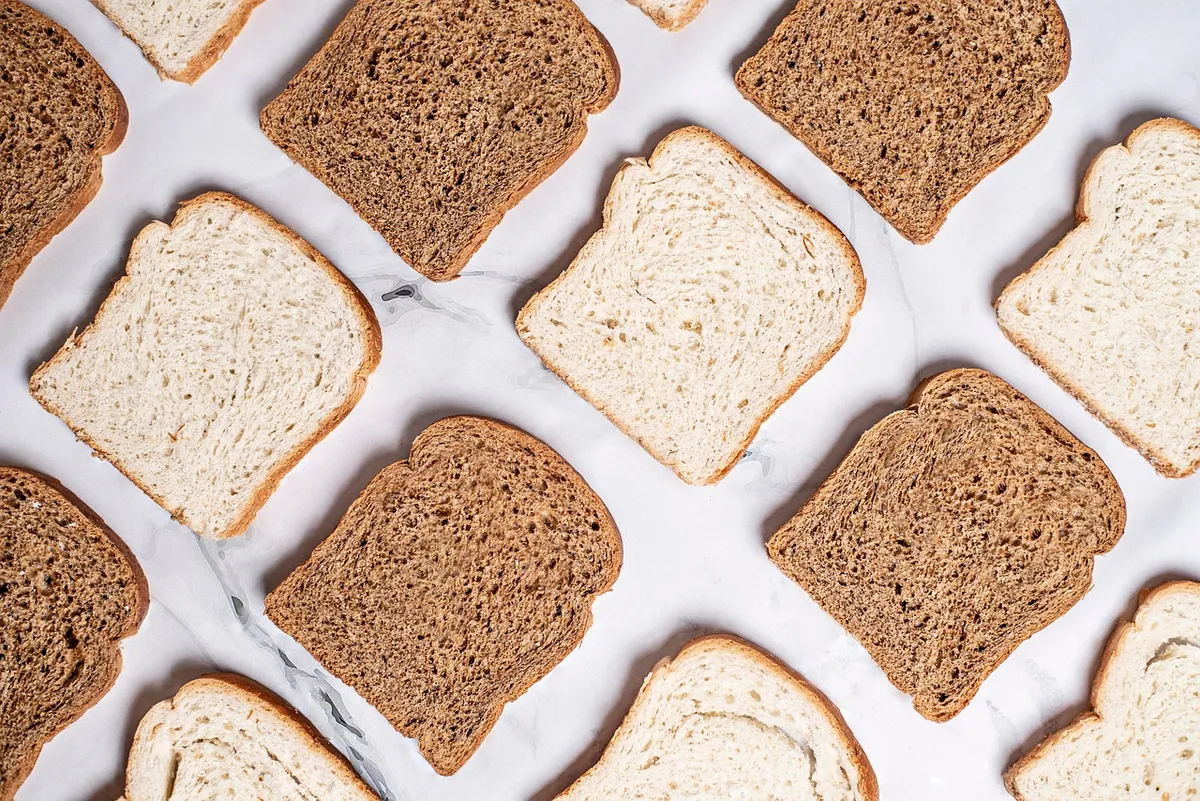
When using different flours, you must adjust your technique to match the protein density. If one uses a flour with a lower protein content (9–11%) to produce bread, a shorter mixing time is required to develop gluten strength properly. This adjustment prevents overworking the dough.
How do you manage leavening and fermentation?
A baker watches the dough rise in a warm proofing box, checking the volume every hour. Beyond hydration, other factors like fat and fermentation time play roles in the final structure.
According to the Flour Milling and Baking Research Association, the Pressure-Vacuum mixer was later developed by the Flour Milling and Baking Research Association for the Chorleywood bread process.
For instance, a fat content of approximately 3% by weight is the concentration that produces the greatest leavening action.
Fermentation also affects the chemical composition of the dough. Some flours, such as spelt, emmer, and einkorn, contain fewer FODMAPs, but the difference between grain types is relatively small (between 1 and 2 percent by weight).
Additionally, 90% of the FODMAPs that cause discomfort can be broken down during a rising time of four hours.
How to adjust baking formula for different flours?
A baker adjusts the timer on a digital scale while preparing a new batch of dough. To successfully manage a changing ingredient profile, follow these steps:
- Identify the protein content of your flour to determine the necessary water absorption and mixing time. 2. Set the flour weight as 100% to create a stable baseline for all other ingredients. 3. Calculate the weight of every other ingredient as a percentage of that flour weight.
Always perform a final check to ensure the water percentage aligns with the specific absorption capacity of your chosen flour. This systematic approach ensures that even when switching between hard and soft wheat, the dough remains manageable.
The subject here is Baking formula weight water ratio.
The same subject is also called Baking recipe ingredient ratio.
This part also covers Accurate ingredient weighing guide.
This part also covers Mastering dough hydration levels.
Related
- Wreath order quantity guide: 0.1 mm Flower shop order form
- AI speed and human future: Why risks vary by country
What happens when protein content is too low?
When the amount of flour possesses a lower protein content, the dough requires a shorter mixing time to develop gluten strength appropriately. This shorter duration prevents the dough from becoming overworked, which is a condition that compromises the final texture.
How does the amount of fat influence the rise?
Fat content, when present in the formula, contributes to the final structure of the bread. A specific concentration of fat, around 3% by weight, is noted to yield the most significant leavening action during the baking process.
The systematic approach to adjusting the baking formula, which begins by identifying the protein content, ensures that the water percentage aligns with the specific absorption capacity of the chosen flour. This procedure is crucial when switching between hard and soft wheat varieties.
Understanding the absorption rates of different flours dictates the initial water ratio, as hard wheat absorbs more water than softer wheat. This comparison highlights why a fixed water percentage might not yield consistent results across various flour types.








Comments 0