AI ethics and human survival: How to guide tech growth
"As machine learning advances, the necessity of aligning these systems with human rights becomes a critical pillar for global stability."
AI ethics and human survival depend on establishing global standards that protect human rights while managing technical risks.
This guide explores why ethical oversight is necessary for AI adoption, how international bodies are creating governance frameworks, and the specific organizations researching the AI control problem.

You will learn about the first global standards and the various ways researchers are attempting to bridge the gap between rapid tech growth and human life. One limitation is that these frameworks focus on high-level ethical recommendations rather than enforceable local laws.
Why is AI ethics and human survival a priority?
In the dim office at midnight, the researcher rubs their tired eyes while contemplating the weight of AI ethics.
A researcher sits in a quiet office, staring at a screen filled with complex algorithms that could influence social justice. The tension between rapid innovation and the preservation of rights drives the current global conversation.
The need for AI ethics and human survival arises from the profound impact machine learning can have on fundamental human rights. To address these rising concerns, the World Economic Forum and Global Future Council on Human Rights took action in March 2018.
They sought to mitigate the risks that automated decision-making poses to individuals.
Ethical checks for AI adoption are not just theoretical exercises; they are responses to real-world shifts in how machines interact with society. As systems become more autonomous, the potential for bias or rights violations increases.
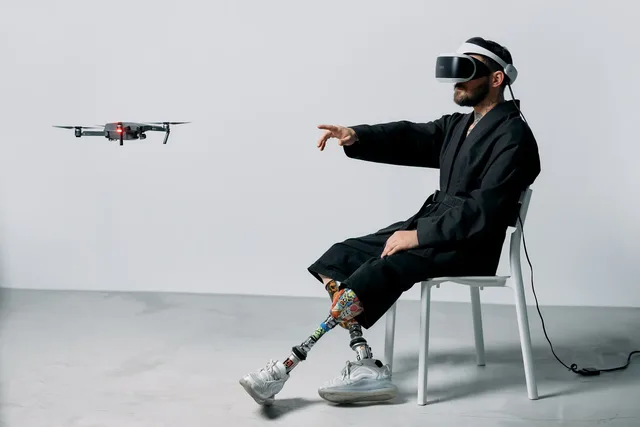
This reality necessitates a proactive approach to tech growth and human life.
How are we balancing AI tech and ethics?
A diplomat adjusts a microphone during a high-stakes video conference, connecting with experts across different time zones. The digital space becomes a forum for constructing a shared future for machine governance.
Finding the right balance between AI tech and ethics requires international cooperation and standardized rules. In 2021, UNESCO adopted the Recommendation on the Ethics of Artificial Intelligence, which serves as the first global standard on the ethics of AI.
This document provides a foundation for countries to align their technological development with moral principles.
Furthermore, the Carnegie Council for Ethics in International Affairs (CCEIA) hosted online meetings in 2021. These sessions aimed to create a Global Governance Network for AI (GGN-AI).

Such networks are essential for ensuring that AI development and human fate remain intertwined through structured oversight.
How can I develop AI ethically?
An engineer reviews a checklist on a tablet, ensuring every line of code meets the safety protocols established by the team. The process of building responsible technology is methodical and repetitive.
Implementing ethical AI development involves several structured phases to ensure safety.
- Establish foundational ethical principles by following international standards like the UNESCO recommendation. 2. Integrate human rights impact assessments into the machine learning lifecycle to prevent bias. 3. Participate in global governance discussions to align technical capabilities with societal needs.
After completing these steps, perform a final check to verify that the system's objectives do not conflict with established human rights frameworks. I have seen how these systematic reviews help identify potential misalignments before a model is deployed.
- Define core values and safety constraints.
- Implement rigorous testing and validation protocols.
- Establish continuous monitoring and oversight mechanisms.

In this sequence, the second step is the most extensive.
Who is working to solve the AI control problem?
A scientist monitors a simulation, watching how an agent reacts to unexpected environmental constraints. The focus is on ensuring that highly intelligent systems remain under human guidance.
The question of how to maintain control over advanced systems is being addressed by several specialized groups. These organizations focus on the technical and philosophical aspects of the AI control problem.
| Organization Type | Primary Focus Area |
|---|---|
| Research Institutes | AI control problem and human compatibility |
| Global Councils | International governance and human rights |
The Future of Humanity Institute, the Machine Intelligence Research Institute, the Center for Human-Compatible Artificial Intelligence, and the Future of Life Institute are all actively researching the AI control problem.
Their work aims to ensure that as intelligence scales, it remains beneficial to humanity.
Can we achieve ethical AI adoption?
A student reads a textbook about robot ethics, contemplating the moral responsibilities of future creators. The academic roots of this field show a long-standing commitment to studying machine morality.

Achieving ethical AI adoption requires bridging the gap between academic theory and practical application. The history of this field includes significant academic work, such as the undergraduate seminars on robot ethics taught at Yale University in 2004 and 2005.
This academic foundation supports the broader goal of balancing AI progress and survival risk.
While many organizations are working toward this goal, the effectiveness of these efforts depends on the widespread adoption of these standards. The current landscape is defined by a mix of high-level recommendations and deep technical research into control mechanisms.
Related
- AI job change causes: Guide to new technical oversight roles
- AI job transition strategy: Guide for best workforce tips
How do current frameworks address technical risks in machine learning?
- The initial global standards established by bodies like the World Economic Forum aim to mitigate risks associated with automated decision-making. 2. These frameworks recognize that the increasing autonomy of machine learning systems elevates the possibility of rights violations. 3. Researchers are attempting to bridge the gap between the swift advancement of technology and the necessary safeguards for human life.
What is the relationship between governance and research?
The international governance structures, such as the Global Governance Network for AI (GGN-AI), rely heavily on the insights generated by specialized research groups. These groups study the control problem to inform the high-level ethical recommendations provided by global councils.
The necessity of aligning machine learning with human rights is therefore supported by both policy creation and deep technical investigation.
The implementation of ethical AI development requires participation in these global governance discussions, ensuring that the technical capabilities of machine learning align with broader societal needs.
A caution exists that these governance frameworks often provide recommendations rather than locally enforceable laws. This distinction highlights a current limitation in the global effort to manage AI adoption.
The ongoing research into the AI control problem seeks to provide the technical underpinning for the ethical principles that international bodies are attempting to codify.
This dual approach—policy setting alongside advanced technical study—is fundamental to addressing the challenges posed by sophisticated machine learning.
Wikipedia: Machine ethics (full) Based on the retained excerpt mentioning Economic Forum and Global Future Council: In March 2018, in an effort to address rising concerns over machine learning's impact on human rights, the World Economic Forum and Global Future Council on Human Rights p








Comments 0