AI job change order guide: Tips for career shifts
"The transition from one career to another often begins with a single, well-structured document that bridges the gap between past experience and future potential."
Crafting an effective AI job change order guide requires a strategic approach to translating existing skills into new professional contexts. This guide provides a roadmap for using AI to refine your professional narrative, ensuring your transition documents are accurate and efficient.
You will learn how to handle common reasons for career shifts, such as organizational restructuring or seeking better work-life balance, while understanding the limitations of automated writing.
Why use an AI job change order guide when switching roles?

At the quiet desk in the late evening, I tap the keys to initiate a professional change.
A professional sits at a desk, typing a prompt into a chat interface to reshape a resume for a different industry. This process of using an AI job change order guide helps bridge the gap when moving into unfamiliar sectors.
When shifting careers, the primary goal is to translate old responsibilities into new terminology. An AI job change order guide acts as a translator, helping you align your professional history with new job descriptions. This tool ensures that your unique strengths are not lost during the transition.
Common reasons for seeking new roles include organizational downsizing or restructuring, which affects 54% of career transitions. Other individuals move due to new challenges or opportunities that arise, accounting for 30% of shifts.
You might also change roles to improve work-life balance, a reason cited by 21% of workers. Using an AI job change order guide allows you to pivot smoothly regardless of the underlying motivation.
Using a guide ensures that your transition remains structured and purposeful rather than reactive.
How can AI boost order accuracy AI in career documents?
While sitting in the bright office, I squint at the screen to ensure the sudden change in text remains precise.
An individual reviews a screen, comparing an AI-generated cover letter against their actual work history to ensure every detail is factual. This step is essential to boost order accuracy AI during the drafting process.

Accuracy is the most critical component of any professional document. When you attempt to boost order accuracy AI, you are essentially using technology to check for consistency between your skills and the target role.
This prevents the common mistake of over-promising or misrepresenting your background.
The tool helps you identify where your current skills overlap with new requirements. By focusing on these intersections, you can present a cohesive story. This prevents the document from looking like a collection of unrelated tasks.
AI helps maintain consistency in tone and formatting across all your professional materials.
What are the steps for efficient order writing AI?
A user inputs a list of past projects into a prompt box, watching as the software organizes them into a structured format. This represents the core of efficient order writing AI.
To maintain momentum, you should follow a structured workflow when interacting with generative models. This approach ensures that the output remains professional and targeted.
- Input your comprehensive professional history into the tool to establish a baseline of your capabilities. 2. Provide the specific job description of the target role to give the AI context for the transition. 3. Review the generated text to ensure the tone matches your personal voice and the industry standards.
I once spent an entire afternoon refining a single transition letter using these steps to ensure my tone was professional yet personal. Following this sequence allows you to move from a broad history to a specific, targeted application.
- Define your target role and key requirements.
- Input your current professional data into the AI tool.
- Refine the generated output to match your personal voice.
Can AI help with AI in job transition forms?

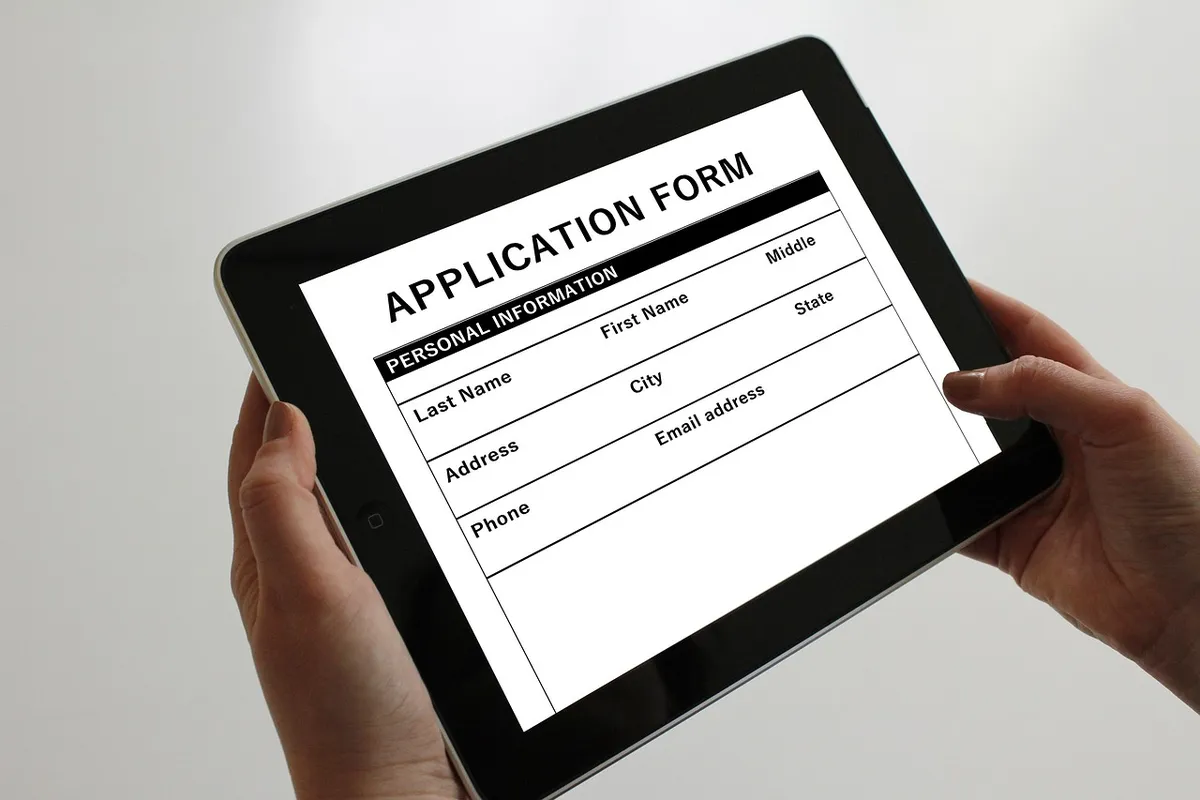
A person adjusts the settings on a digital document, ensuring the layout is clean and the text is concise. This is a key part of managing AI in job transition forms.
Managing AI in job transition forms requires a balance between automation and human oversight. While the technology handles the heavy lifting of drafting, the human must act as the final editor. This ensures the document remains authentic.
Sometimes, people move because they seek better compensation and benefits, which represents 18% of transitions, or better alignment with personal and organizational values at 17%. If your transition is driven by these factors, the AI must be prompted to highlight specific values.
Without this nuance, the document may feel generic.
In this sequence, the second step is the most time-consuming.
How do I handle specific career change scenarios?
A job seeker stares at a blank screen, then looks at their previous manager's contact info, thinking about the reasons for their departure. These moments of reflection are common when navigating career changes.
According to the National Bureau of Economic Research, he has been a research associate of the National Bureau of Economic Research since 2016 and is a faculty lead of the Project on Workforce, a Harvard research initiative on the transition from education to work.
Different scenarios require different messaging strategies. For instance, if a move is prompted by personal strengths not being a good fit with an organization (16%), the focus should be on growth.
If the move is due to a poor relationship with a manager (22%), the focus should remain on professional advancement.
| Reason for Change | Percentage of Transitions |
|---|---|
| Downsizing or Restructuring | 54% |
| New Challenges/Opportunities | 30% |
The table above shows how common external factors can trigger a need for a new professional direction. Understanding these statistics helps you prepare for the reality of the job market.
Tailoring your narrative to bridge the gap between your old industry and your new one is essential.
Wikipedia: Energy transition Based on the retained excerpt mentioning IEA: The "Electricity Grids and Secure Energy Transitions" report by the IEA emphasizes the necessity of increasing grid investments to over $600 billion annually by 2030, up from $300 billion, to accommodate the integration of renewable energy.
Related
- AI job change schedule: Why optimize your work flow
- AI order form best practices how to ensure data accuracy
What cautions should guide the use of AI in career transition?
Automated writing requires careful human review because the technology cannot fully grasp the nuance of a personal career transition. You must always check the AI output against your actual work history to confirm factual representation.
Relying solely on the AI risks presenting a narrative that misrepresents your background or overstates your capabilities.
When using the AI job change order guide, remember that the tool helps align your history with job descriptions, but it does not replace your professional judgment. The human editor must ensure the document maintains an authentic voice throughout the career transition process.
For a successful career transition, the comparison between the AI draft and your lived experience must be rigorous. This diligence prevents the document from becoming a generic piece of writing that fails to resonate with potential employers.
Always review AI-generated content to ensure it accurately reflects your true experience and avoids generic phrasing.








Comments 0