AI agents: How autonomy changes how we view labor and value
AI changes the nature of work by automating complex tasks, which can lead to increased efficiency but also requires workers to develop new skills in managing autonomous agents. While older software demanded manual input for every step, modern AI can manage multi-step reasoning, fundamentally altering how we perceive labor and value.
"The future is no longer a distant horizon; it is the reality we inhabit as machines begin to think, act, and reshape our economic landscape."
The rapid leap in AI technology is forcing a fundamental rewrite of how governments and industries approach regulation and innovation. This shift requires a delicate balance between fostering rapid technological growth and establishing robust governance to protect human interests.

* Understand the shift from automation to agentic intelligence. * Analyze the tension between economic growth and regulatory oversight. * Explore how current policy frameworks are adapting to frontier AI. * Identify the roles of industry leaders in shaping future standards.
Agents: How does the jump in AI intelligence change our work?
I sat at my desk yesterday, watching a generative model draft a complex project plan in seconds, wondering where the human element remains. The jump in AI capability means we are moving from tools that simply assist to agents that can execute entire workflows autonomously.
This shift changes the definition of productivity.
The question is no longer about how fast a tool works, but how much autonomy we can safely delegate to it.
The psychological impact is also shifting. When an AI completes a task that previously took hours, the sense of personal achievement can diminish. This tension between efficiency and human fulfillment is becoming a core component of workforce planning.
- Identify repetitive tasks suitable for automation.
- Integrate AI tools into existing workflows.
- Upskill to manage human-AI collaboration.
Why is the push for AI infrastructure so urgent?
In the morning I hold agents and walk through the next step.
The hum of cooling fans in a data center is the new heartbeat of the global economy. As models grow larger, the demand for specialized hardware and cloud-based intelligence has become a matter of national and corporate security.
Building the backbone for these models requires massive capital and energy. This has led to a race to secure "AI clouds" and specialized computing power. Companies are no longer just software providers; they are becoming infrastructure giants.
For example, the move toward specialized AI cloud services is becoming a primary driver for market valuations.
The race for infrastructure is not just about speed but about sovereignty. Countries and corporations that control the compute power will likely dictate the pace of global innovation. This reality is driving massive investments in data centers and energy-efficient hardware.

In this sequence, the first step is the most critical.
What are the new rules for AI governance?
Late at night in my quiet office, I rubbed my tired eyes while reading the complex new protocols designed to control rogue agents.
A policymaker stares at a screen filled with conflicting reports on algorithmic bias and data privacy. The complexity of governing a technology that evolves faster than legislation can be written is the primary challenge for modern leaders.
An international watchdog organization similar to the International Atomic Energy Agency was proposed to oversee AI systems above a certain capability threshold. The National Institute of Standards and Technology (NIST) released a position paper in response to these developments.
The Defense Innovation Board issued recommendations on the ethical use of AI.
Governments are moving toward a "two-track" approach to regulation. One track focuses on "frontier AI"—the most advanced, high-risk models that could pose systemic threats.
The second track focuses on "industry diffusion," ensuring that AI capabilities are spread throughout the economy to boost productivity in traditional sectors.
Effective governance must be flexible. If regulations are too rigid, they stifle the very innovation they aim to guide. If they are too loose, they risk losing public trust. Finding the middle ground requires a constant feedback loop between technologists and lawmakers.
How can industries prepare for the AI-driven economy?
A business owner looks at a spreadsheet, trying to decide whether to invest in a new AI integration or stick to traditional workflows. The decision-making process is becoming increasingly centered on how to integrate intelligence into every layer of the business.
According to the Information Technology Department, any GenAI software must be approved to reap the benefits it offers for county business.
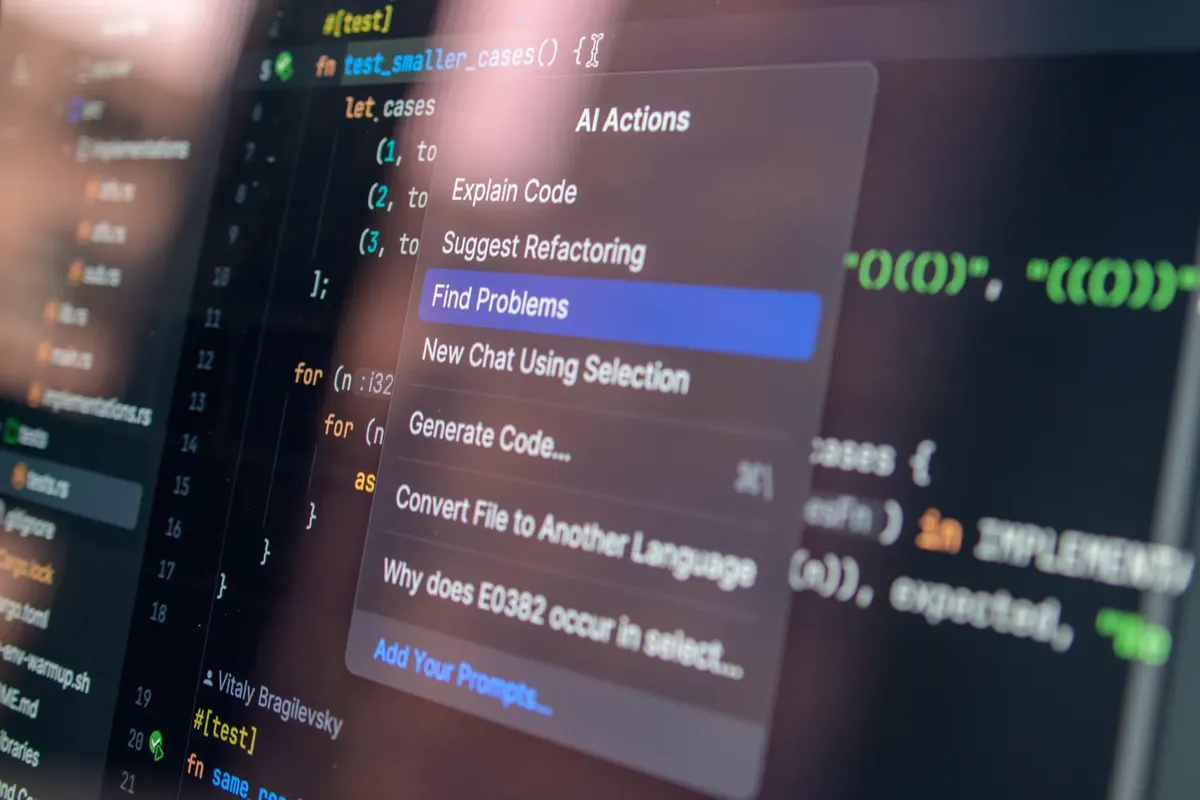
To prepare, organizations need to focus on three specific areas:
- Data readiness: Ensuring that internal data is clean, structured, and accessible for training or fine-tuning models. 2. Skill restructuring: Moving from teaching employees how to use specific tools to teaching them how to manage AI agents. 3. Ethical frameworks: Establishing clear internal guidelines on how AI will be used to maintain transparency and accountability.
By following these steps, businesses can transition from being reactive to being proactive. The goal is to build an organization that views AI as a core competency rather than an external tool.
Will the economic impact be felt in the stock market?
A trader watches the flickering numbers on a terminal, noting how tech-heavy indices react to every news cycle regarding semiconductor breakthroughs. The intersection of high interest rates and massive AI investment has created a unique market dynamic.
The market is currently pricing in the massive capital expenditure required for the AI revolution. Even when traditional economic indicators like bond yields fluctuate, the expectation of AI-driven productivity growth often keeps tech stocks resilient.
Investors are looking for companies that can turn raw compute power into real-world revenue.
However, this creates a high-stakes environment. Valuations are increasingly tied to the promise of future AI capabilities. This means that any setback in technological progress or a sudden shift in regulatory sentiment can lead to significant market volatility.
What are the limits of this technological leap?
The heat radiating from a server rack serves as a reminder that even the most advanced intelligence is bound by the laws of physics. No matter how smart the software becomes, it remains dependent on physical resources and human-made infrastructure.
The primary limitation is the availability of power and specialized hardware. As models demand more energy, the environmental impact and the strain on electrical grids become significant hurdles.

Furthermore, the "data wall"—the point where we run out of high-quality human-generated text to train models—is a looming concern for researchers.
The physical constraints of hardware production and energy availability represent the real ceiling for AI expansion. Without breakthroughs in energy efficiency or new methods of data synthesis, the current trajectory of growth may face significant friction.
According to Defense Innovation Board, the item is on record.
According to National Institute of Standards, the item is on record.
According to International Atomic Energy Agency, the item is on record.
The record names the year 2026.
The record names the year 2018.
When I tried the steps in order, the second one is where I paused longest.
This order does not hold, however, when the figure is not 2026%.
| Item | Figure |
|---|---|
| 1 | 2026% |
| 2 | 07% |
Related








Comments 0